Brush Before or After Breakfast?
A mother-daughter morning debate about coffee, breakfast, enamel, and the safest time to brush your teeth.


One morning, one of my daughters and I found ourselves in a surprisingly serious conversation: when should you brush your teeth—before breakfast or after?
I have always been an after-breakfast person. I drink coffee, and I like the feeling of brushing away the evidence before I begin the day. Coffee stains, breakfast crumbs, and that lingering morning taste all seem like good reasons to wait.
But after reading more, I became a little confused. The advice is not as simple as “brush whenever you feel like it.” There is a real reason many dentists recommend brushing first thing in the morning, before you eat or drink anything.
Here is what I learned, along with the practical middle ground that makes sense for real mornings.
A quick note: I am not a doctor or dental professional. This post shares information I found while researching the topic and the routine that makes sense for me. For advice tailored to your teeth, enamel, or oral-health concerns, please speak with your dentist or dental hygienist.
Why brushing before breakfast is the safer default
While you sleep, saliva flow naturally slows down. Your mouth becomes drier, and bacteria have more opportunity to multiply and form plaque. That is part of why morning breath happens—and why your teeth can benefit from a brush before the first sip of coffee.
Brushing when you wake up can help in a few important ways:
- It physically removes the overnight film of plaque and bacteria.
- It leaves fluoride from toothpaste on the enamel before breakfast acids and sugars arrive.
- It can help freshen breath and get saliva flowing again.
- It gives your teeth a little extra protection before coffee, fruit, juice, or carbohydrates enter the picture.
My daughter made a point that stayed with me: she prefers to brush before she even drinks water, so she is not swallowing the bacteria that built up overnight. While swallowing a little saliva is a normal part of life, brushing first is a simple way to clear that overnight buildup before your first drink of the day.
If you eat first, the bacteria already sitting on your teeth can begin using sugars and carbohydrates from breakfast to produce more acid. Brushing afterward is still helpful, but the fluoride has not been there during that first exposure.
That is why brushing before breakfast is often considered the enamel-friendly choice.
Why brushing after breakfast feels so appealing
I completely understand the other side. Brushing after breakfast feels clean. It removes food particles, leftover sugars, and the taste of coffee before you head out the door.
For someone who drinks coffee every morning, it can feel especially logical. You may be thinking, “Why brush first if I am just going to drink coffee right afterward?”
The issue is not that brushing after breakfast is automatically wrong. The issue is how soon you brush after eating or drinking.
Many breakfast foods and drinks are acidic, including:
- Coffee
- Orange juice and other citrus juices
- Berries and fruit
- Citrus-flavored foods
- Some breads and cereals
Acid can temporarily soften the outer surface of enamel. If you brush immediately after an acidic breakfast, the brushing action may contribute to enamel wear over time. That can increase the risk of sensitivity and erosion.
So the after-breakfast routine can work—but it needs a little patience.
The 30-to-60-minute rule after coffee or breakfast
If you prefer to eat or drink coffee first, a good rule is to wait at least 30 minutes before brushing. After coffee, juice, citrus, or a more acidic breakfast, waiting 60 minutes is even gentler on enamel.
During that waiting period, you can still do something helpful:
- Rinse your mouth thoroughly with water.
- Drink water alongside your coffee.
- Chew sugar-free gum to encourage saliva flow.
- Avoid brushing immediately, even if your mouth feels like it needs it.
Saliva is one of your mouth’s natural defenses. It helps neutralize acids and supports the remineralization process. Giving it a little time before brushing can make a meaningful difference.
A practical middle ground for busy mornings
The best single morning brush for most people is simple: brush right after you wake up, before coffee or breakfast.
That is the easiest way to clear overnight plaque and put fluoride on your teeth before the day begins.
If you are committed to brushing after breakfast because you love that freshly cleaned feeling, you do not have to abandon the routine. Try this instead:
- Brush first thing in the morning.
- Enjoy breakfast and coffee.
- Rinse with water afterward.
- If you still want to brush again, wait 30 to 60 minutes first.
Some people do brush twice in the morning—once before breakfast for protection and once later, after the wait, for freshness. That may be fine for some people, but it is worth discussing with your dentist if you have sensitive teeth, gum concerns, or a history of enamel erosion.
What your breakfast has to do with it
Not every breakfast creates the same situation. A lower-acid breakfast—such as eggs, oatmeal, plain yogurt, and water—is generally less concerning than coffee with orange juice and fruit.
Still, coffee is a common part of the equation. It can contribute to staining over time, but brushing immediately after coffee is not necessarily the best way to manage that. Regular brushing, good technique, routine dental care, and drinking water with coffee can all help.
If staining is a concern, your dentist can also help you choose a safe approach that fits your teeth and your routine.
The habits that matter most
The timing debate is real, but consistency matters more than finding one perfect minute on the clock.
The core habits are still the foundation of good oral health:
- Brush for two minutes, twice a day.
- Use fluoride toothpaste unless your dental professional recommends otherwise.
- Floss or clean between your teeth daily.
- Spit after brushing instead of rinsing right away, so the fluoride can stay on your teeth longer.
- Keep regular dental appointments.
For people who wake with dry mouth or breathe through their mouth at night, brushing first thing may be even more helpful because overnight plaque buildup can be greater.
Where I landed after our conversation
I am still a coffee person, and I still understand why brushing after breakfast feels satisfying. But I am no longer convinced that brushing immediately after coffee is the best choice for my enamel.
My new plan is to brush when I wake up, enjoy my coffee and breakfast, rinse with water afterward, and only brush again later if enough time has passed.
It is a small shift, but those are often the habits that add up. And it gave my daughter and me one more reason to talk around the table—which, in my book, is always a good thing.
If you have tooth sensitivity, frequent cavities, dry mouth, or concerns about enamel wear, ask your dentist or dental hygienist what timing makes the most sense for you.
Shop This Post
Affiliate links — I only share what I genuinely use and love.
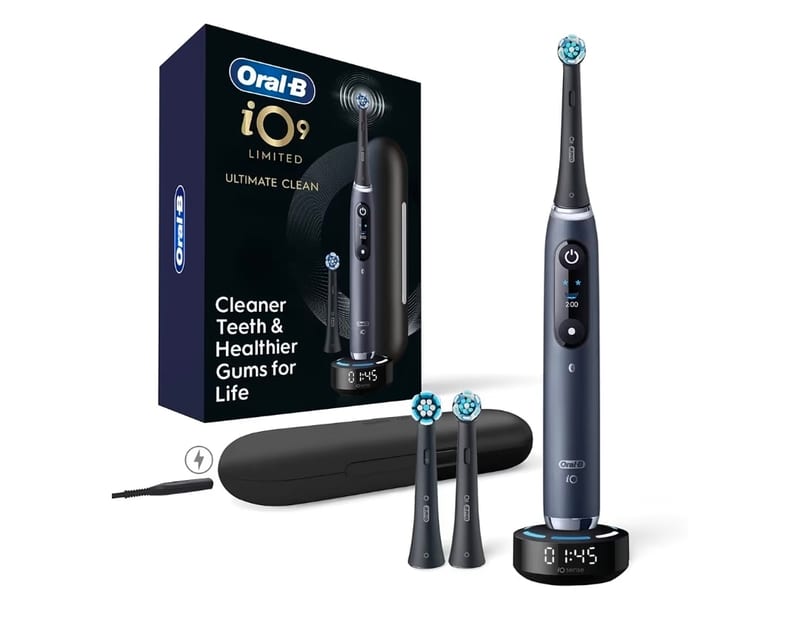
A simple way to make brushing before your first drink part of your morning routine.