Sugar Addiction Is Real — And It Is Harder to Quit Than Most People Admit
I have quit sugar more times than I can count. And every single time, I have come back to it. Not because I am weak. Because sugar is not just a habit — it behaves like a drug, and the world is designed to make sure you can never fully escape it.


I have quit sugar more times than I can count.
And every single time, I have come back to it. Not because I am weak. Not because I do not know better. Because sugar is not just a preference or a sweet tooth or a lack of discipline. It behaves like a drug — and the more I have learned about what it actually does in the body, the more I have stopped being surprised that quitting it is so hard.
It Works the Same Way
Here is what I mean when I say it behaves like a drug.
Sugar triggers a dopamine release. The same reward pathway that lights up with alcohol, nicotine, and harder substances lights up when you eat something sweet. Your brain learns to expect it. It starts to want it. And over time, it starts to need more of it to feel the same hit.
The craving is not imaginary. The pull is not weakness. It is your brain running a reward loop it has been trained into — and it is running it the same way it would for any other addictive substance.
I have watched people quit smoking. I have watched people fight their way out of alcohol. And I recognise the same pattern in myself with sugar: I want it. I feel like I need it. I know it is not good for me. And I reach for it anyway.
That is not a character flaw. That is a chemical loop.
But Here Is What Makes It Worse
With alcohol, you can decide not to drink. You can avoid bars, skip the wine aisle, build a life that does not put a bottle in front of you every few hours.
With sugar, you cannot do that.
Processed sugar is in everything. It is in the bread. It is in the sauces. It is in the salad dressing, the soup, the crackers, the yoghurt that says "healthy" on the front. Unless you are cooking every single thing you eat from whole, unprocessed ingredients — and I mean every single thing — you are consuming processed sugar. It is not a choice you get to make once and be done with. It is a negotiation you have to run every single time you eat, every single day, for the rest of your life.
An alcoholic who says "I can handle it, I will just have one beer" is not being realistic. We know that. We understand why that logic does not hold.
But what about fruit? What about honey, maple syrup, a couple of dates? Natural sweetness — that is fine, right?
The Natural Sweetness Trap
This is the part I have had to be very honest with myself about.
Natural sweets are not the enemy. Fruit has fibre, vitamins, and a completely different nutritional profile than a bag of sweets or a can of soda. Manuka honey has genuine antimicrobial properties. Maple syrup, in small amounts, is not the same as high-fructose corn syrup.
But here is what I have noticed in myself: natural sweetness does not satisfy the craving. It activates it.
One piece of fruit is fine. Two pieces of fruit is fine. But for someone with a real sweet drive — and I have one — natural sweetness is a door, not a wall. It opens the appetite for more sweetness. It reminds the brain what it has been missing. And then you eat out, or you door dash, or you grab something at the petrol station, and processed sugar is now a fact. And for someone with that wiring, one is never just one.
It goes fast. And it goes hard. And suddenly you are back at the beginning, wondering how you got here again.
The Spiral Is Not a Failure
I want to say this clearly, because I spent a long time treating every relapse as evidence that something was wrong with me.
The spiral is not a failure. It is the nature of the thing.
Sugar addiction — and I am comfortable calling it that — is not like quitting a habit the way you quit biting your nails. It is a physiological loop that is reinforced by an environment that makes avoidance nearly impossible. The food industry has spent decades engineering products to hit the exact sweetness level that keeps you coming back. The dopamine response is real. The withdrawal is real — the headaches, the irritability, the flat mood in the first few days without it. All of it is real.
And then you get through it. You feel better. You feel cleaner. And then something happens — a dinner out, a birthday, a stressful week, a door dash order — and the loop starts again.
That is not weakness. That is what this thing does.
What I Do When I Am Trying to Reset
I am not going to tell you I have solved this. I have not. What I have found are a few things that help me get back on track when I have slipped back into the spiral — and that make the reset feel less brutal.
The first is gut support. Sugar disrupts the gut microbiome. It feeds the bacteria and yeast that thrive on it, and when they are well-fed, they send signals that feel like cravings. Breaking the cycle means giving the gut a chance to rebalance — and that takes time and a little help.
The cleanse tea I use every evening is part of that. It is gentle, all-natural, and works overnight so I wake up feeling less heavy and more settled. I have been using it long enough that I notice the difference when I skip it. Paired with a good probiotic — I use the Physician's Choice Women's Probiotic — the combination genuinely helps the gut start to recalibrate. The probiotic supports the strains that sugar depletes. The cleanse tea helps clear out what does not belong. It is not a cure, but it is a real foundation.
The second is Manuka honey. I know — honey is a sweetness. But there is a difference between using a small amount of something genuinely functional and reaching for processed sugar. A teaspoon of New Zealand Honey Co. Manuka Honey UMF 20+ stirred into my evening tea is not the same as a biscuit. The antimicrobial properties are real. The UMF 20+ rating means the active compounds are potent enough to actually do something. And for me, it satisfies the evening sweet drive in a way that does not open the door to more.
The third is just honesty. Not guilt, not punishment — honesty. Acknowledging that I am in the spiral, that I got there the way I always get there, and that the way out is the same as it always is: one day, one meal, one choice at a time.
The Thing Nobody Talks About Enough
There is another layer to this that I think gets lost in the conversation about sugar — because most of the time the conversation stays at the surface. Weight. Energy. Skin. The afternoon crash.
But what sugar is actually doing underneath all of that is feeding inflammation. Quietly, constantly, every single day.
And inflammation is not just a buzzword. It is the base of most of the chronic diseases that are quietly dismantling people's health over decades. Type 2 diabetes. Heart disease. Certain cancers. Alzheimer's — which some researchers now call Type 3 diabetes because of how closely it tracks with insulin resistance and chronic glucose dysregulation. Autoimmune conditions. Chronic joint pain. Gut disorders. The list is long and the common thread running through almost all of it is the same: a body that has been in a low-grade inflammatory state for years, often without the person knowing it.
Sugar drives that state. Not dramatically, not all at once — but steadily. Every spike in blood glucose triggers an inflammatory response. Every insulin surge leaves a residue. And when that is happening multiple times a day, every day, for years — the body never fully comes back to baseline. It just stays slightly inflamed. Slightly dysregulated. Slightly more vulnerable to everything else.
I think about this a lot. Not with fear — I have learned that fear is not a useful motivator for me — but with a kind of quiet seriousness. Because it reframes what quitting sugar actually means. It is not about fitting into something or looking a certain way. It is about not quietly building the conditions for something much harder to fix later.
That does not make it easier to quit. But it does make the reason feel more real.
I Am Still in It
I am writing this not from the other side of the problem. I am writing it from inside it, the way I write most things.
I have quit sugar more times than I can count. I will probably quit it again. And I will probably come back to it again after that — because the world is not designed to make this easy, and my brain is wired in a way that makes sweetness genuinely compelling.
But I understand it better now than I used to. And understanding it — really understanding that this is not a willpower problem, that it is a chemical loop running in a food environment designed to keep it running — makes it easier to be kind to myself when I slip. And to start again without the shame spiral that used to make everything worse.
If you are in it too, you are not alone. And you are not broken. You are just fighting something that was designed to be hard to fight.
The cleanse tea, probiotic, and Manuka honey I mentioned are all in my shop. These are affiliate links — I earn a small commission if you buy through them, at no extra cost to you. I only share what I actually use.
Shop This Post
Affiliate links — I only share what I genuinely use and love.
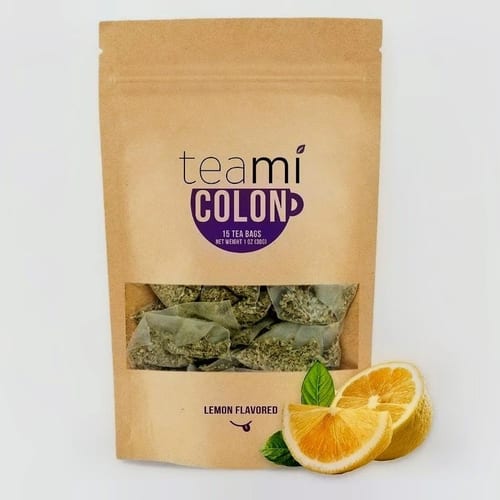
The tea I drink every evening when I am trying to reset. Gentle, all-natural, and works overnight — I notice the difference by morning.

Sugar depletes the good gut bacteria. This probiotic helps rebuild them — 6 strains, 50 billion CFUs, formulated specifically for women.
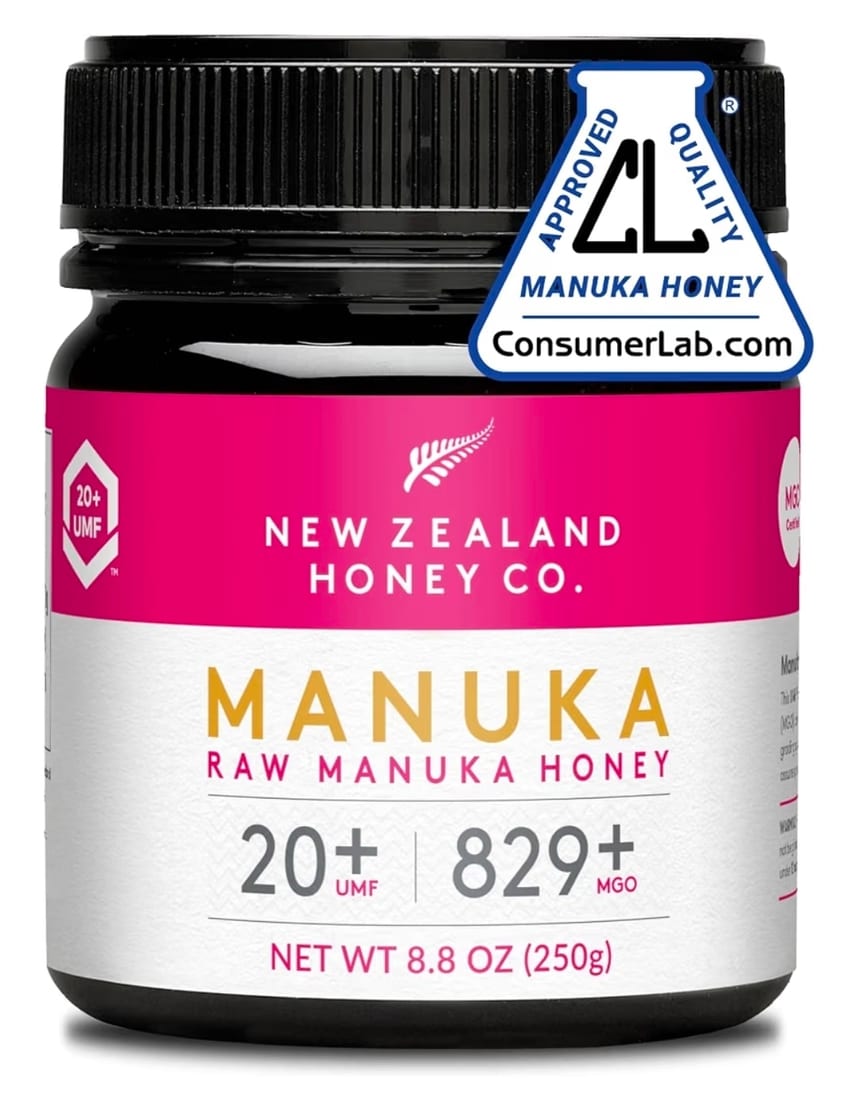
A teaspoon in my evening tea. UMF 20+ rated — the antimicrobial properties are real, and it satisfies the sweet drive without opening the door to more.